

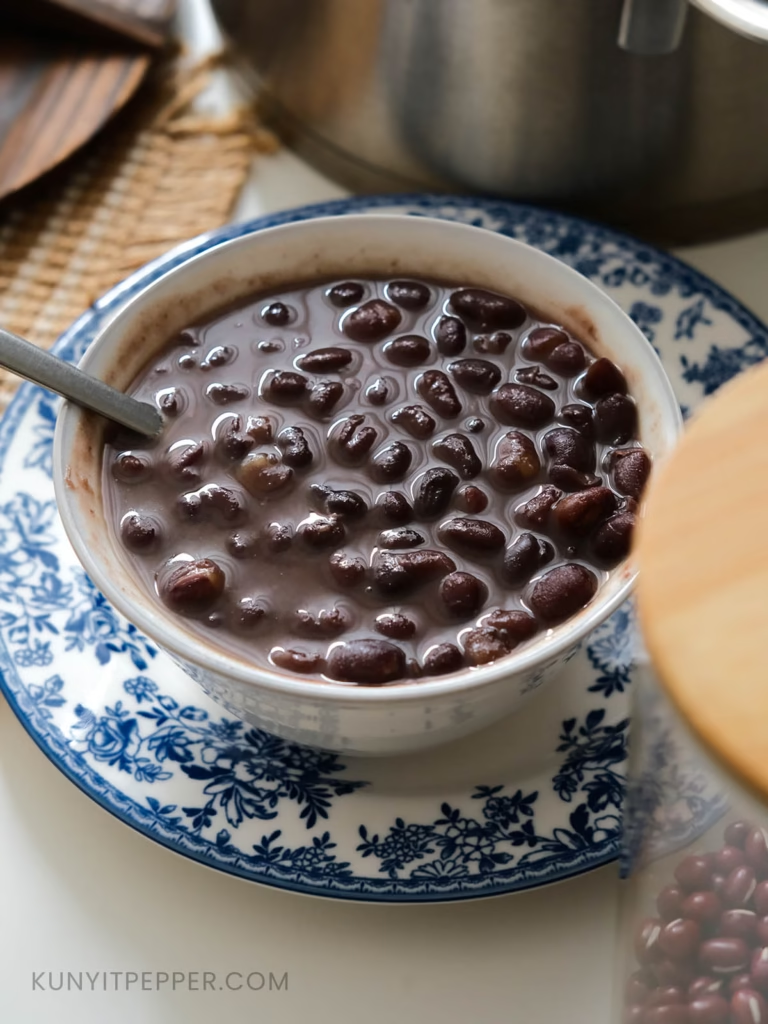
Sweet red bean soup, also called bubur kacang merah (in Malaysia and Singapore), is a Southeast Asian adaptation of the Chinese red bean soup from mainland China.
This authentic Southeast Asian red bean soup is thickened with coconut milk, infused with pandan leaf, and sweetened with palm sugar. Though sugar choices can vary from household to household, as a Malaysian, I can never resist the caramel and toffee flavors of palm sugar, especially when paired with coconut milk. A classic flavor combination of Southeast Asian desserts I love so much. If you like Thai desserts, you’ll know what I mean.
Sweet red bean soup is commonly enjoyed in the evening. You might as well want to enjoy it after a meal, but leave some room, as it can fill you up pretty quickly. Typically served warm, some enjoyed it cold (I know I did). While it is a famous winter treat in countries like Japan and China, in the hot tropics of Malaysia and Singapore, it is enjoyed warm throughout the year.

Serving ideas
Starch is a common filling in the sweet red bean soup. It complements the protein and fiber in the beans and makes the dessert more filling.
In Singapore and Malaysia, you’ll find a variation of red bean soup served with tang yuan (soft glutinous rice balls) in most Chinese dessert shops or Nyonya restaurants. While they are traditionally served during the Lantern Festival season, it is also common every day.
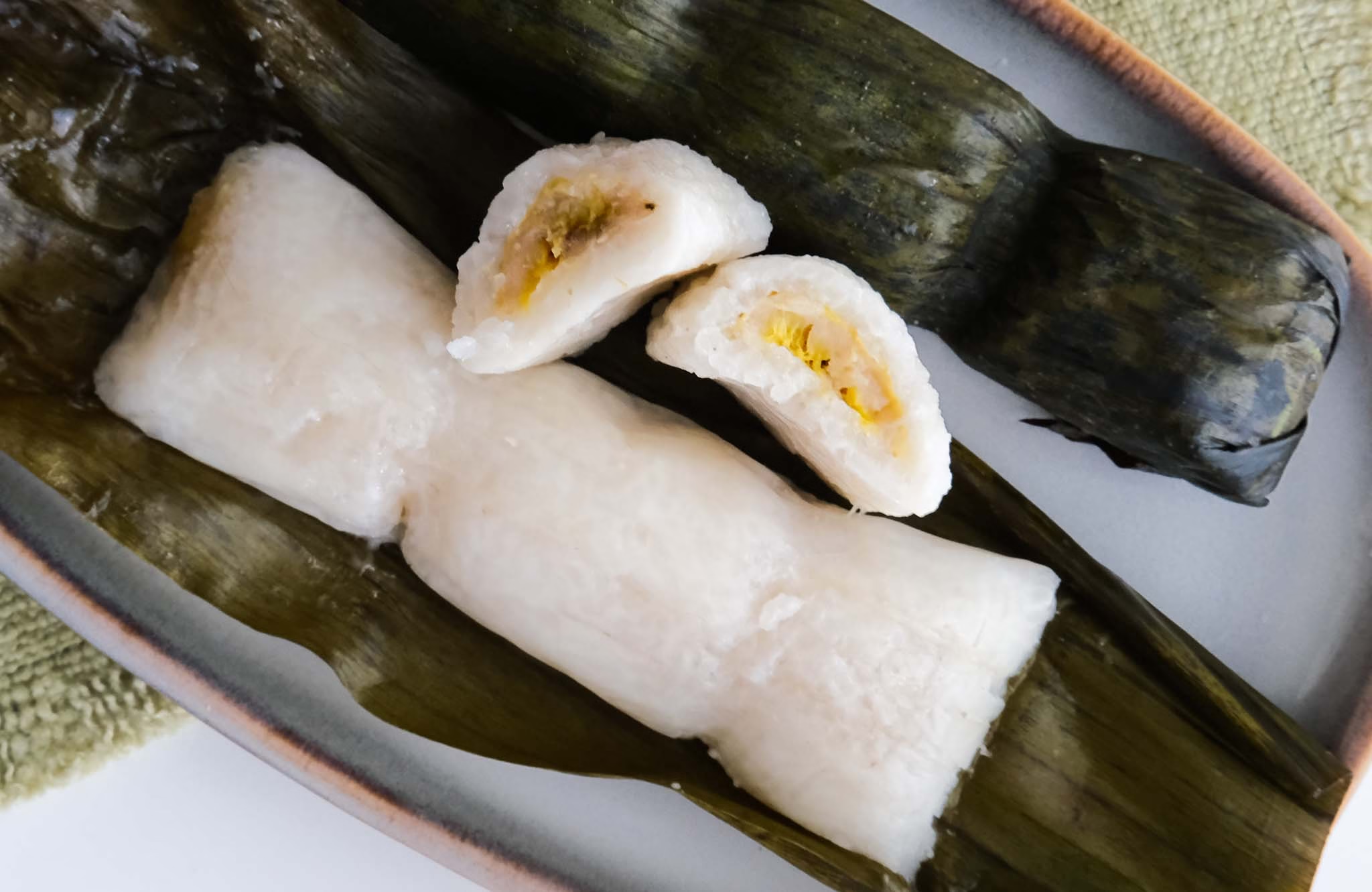
It’s really nice to have the chewiness if you don’t mind the extra carbohydrate. Similar to Japanese mochi, except they are toasted.
Sago (tapioca pearls) is a common choice for most home cooks because it’s quick to cook without prepping them from scratch. I’ve included it in the recipe if you’d like to add it.
Benefits of sweet red bean soup
Red beans (adzuki beans) are the main ingredient in this dessert, which makes it packed with vitamins and minerals. Eating red bean soup can be beneficial for your heart, muscles, gut, and overall health.
Contain high folate – Adzuki beans are especially good source of folate, with 100g gives about 30% of the daily value. Since folate is important for healthy cell growth and the production of red blood cells, sweet red bean soup is a famous choice among pregnant people. Even if you’re not pregnant, folate is highly beneficial for brain function, heart health, and male fertility too.
Rich in Protein and Soluble Fiber – Adzuki beans are rich in protein and soluble fiber, which support blood sugar level, gut health, and muscle function.
Rich in Minerals – These tiny red beans are packed with important minerals such as Manganese, Phosphorus, Copper, Iron, and Potassium. Having a good supply of these minerals benefits your bones, muscles, blood, and energy production, which leads to overall health.
Rich in Antioxidants – Adzuki beans are a good source of polyphenols, antioxidant compounds that help reduce inflammation and fight disease. Antioxidants have anti-aging properties, and this is one reason they’re common in East and Southeast Asian countries.
Ingredients needed
- Dried adzuki beans – Do not substitute for kidney beans, which are bigger in size. Their texture and flavor are different, which affects the cooking time and the flavor.
- Sugar – Use palm sugar for the caramel flavor. If you can’t find palm sugar, feel free to swap to your sugar of choice: coconut sugar, brown sugar, or white sugar.
- Pandan leaf – You’ll need just 1 big piece of pandan leaf (or 2 small pieces). Tie them in a knot before cooking. Swap it with 1 tsp of pandan extract or powder for the flavor infusion.
- Coconut milk – If using freshly extracted coconut milk, use 1 cup. If using coconut cream, ½ cup is good enough.
- Salt – This is optional, but it helps to lift up the flavor.
- Water
Additional Ingredients
- Sago – 4 tbsp of small sago.
- Tang yuan – 4-7 pieces per serving.
Step-by-step instructions on how to cook red bean soup
- Soak the beans
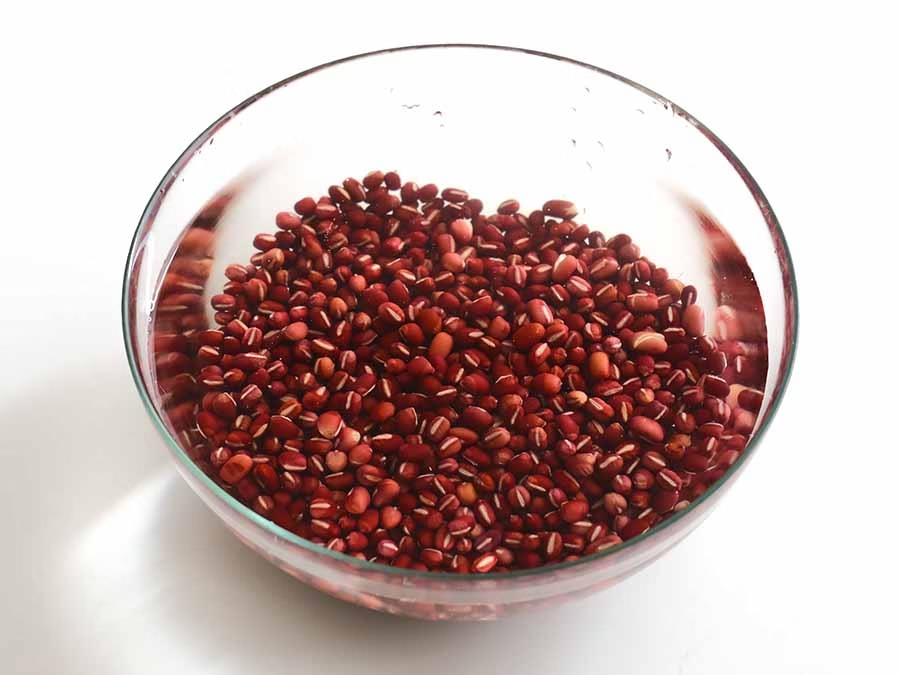
Soak the dried beans in a bowl of water for at least 4 hours or leave them overnight.

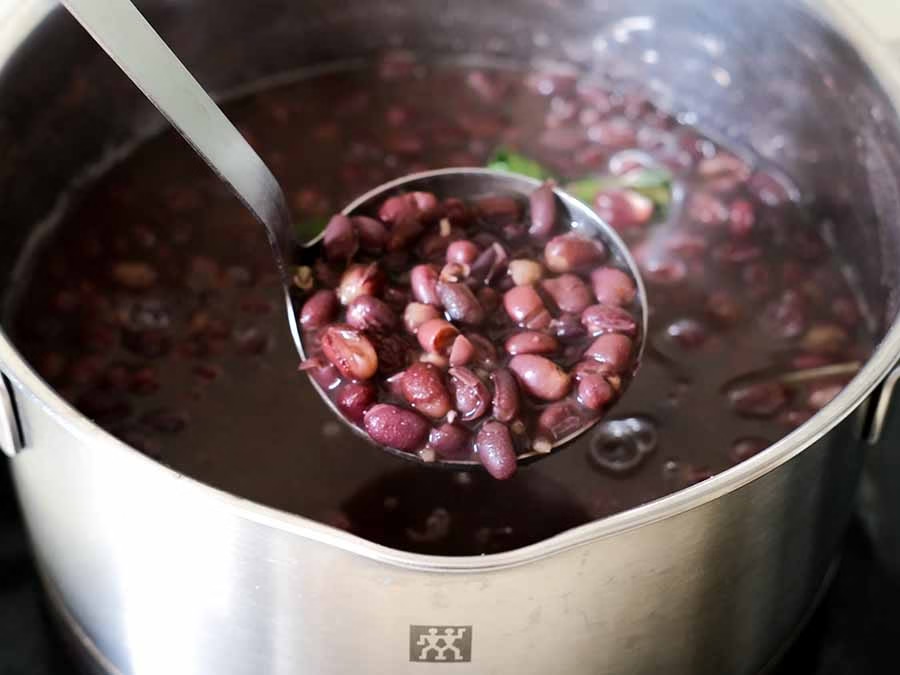
- Boil the beans until soft.
Strain the beans and transfer them to a medium-sized pot. Add water and pandan leaf and bring to a boil over high heat for 40 minutes or until soft and cracked (though not fully). If adding sago, you can soak and boil it while the beans are cooking.
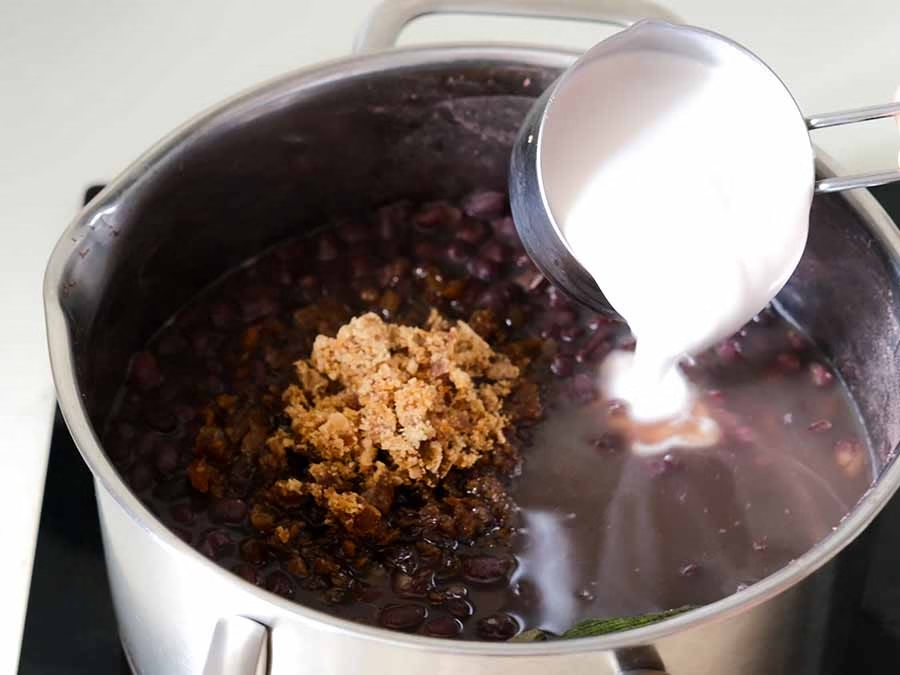
- Season.
Reduce the heat to medium and add coconut milk, sugar, and salt. If adding sago, you can add the cooked sago now.
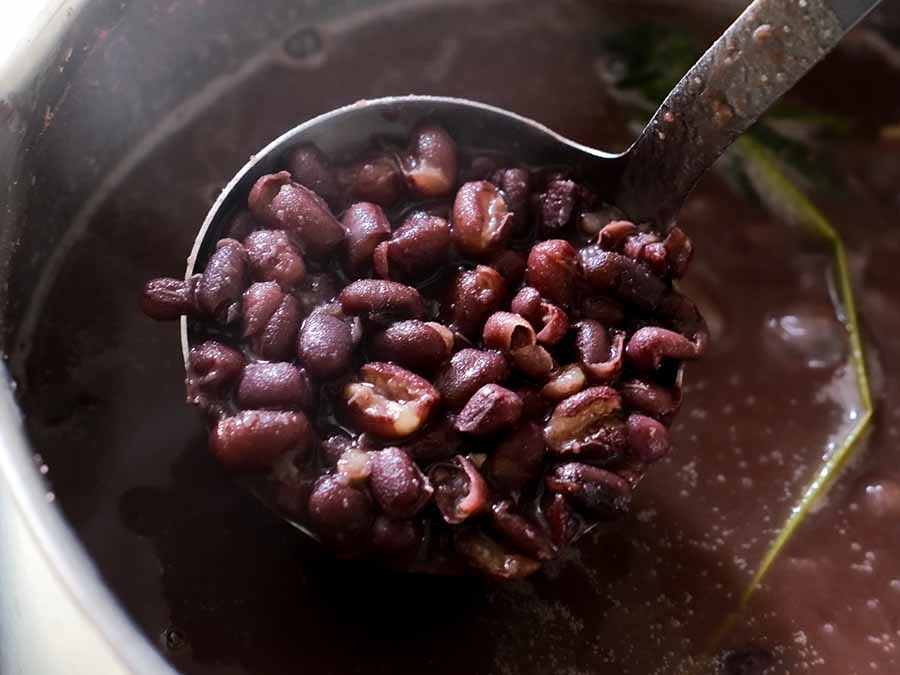
- Stir and continue to simmer.
Stir constantly for about 5 minutes, then turn off the heat once they are fully incorporated. As it cools, the soup will thicken.
FAQ
Is there a substitute for pandan leaf?
You can use pandan extract or pandan powder instead (1 tsp). Pandan is used mainly for flavor infusion, so it’s optional.
Can I freeze the red bean soup?
Yes, I always freeze the extra for later. Once the soup has cooled, divide it into individual containers and freeze for up to 3 months. Thaw it overnight in the fridge or defrost it in the microwave. You can reheat it on the stovetop or in the microwave until warmed.
Why the coconut milk in the red bean soup curdle when cooking?
Coconut milk (especially freshly extracted) tends to curdle when boiled over high heat for long. Make sure you add the coconut milk once the beans are soft and then simmer over medium heat while stirring until fully incorporated. About 3-5 minutes once the coconut milk is added.
Can I use white sugar instead?
Yes, you can. White sugar is also common in sweet red bean soup. The use of palm sugar is because it is a staple and adds a deeper caramel-like flavor.
How long can it stay in the fridge?
Sweet red bean soup can be kept in the fridge for 2–3 days. Transfer it into an airtight container to keep it fresh.
Other Bean Soup Recipes

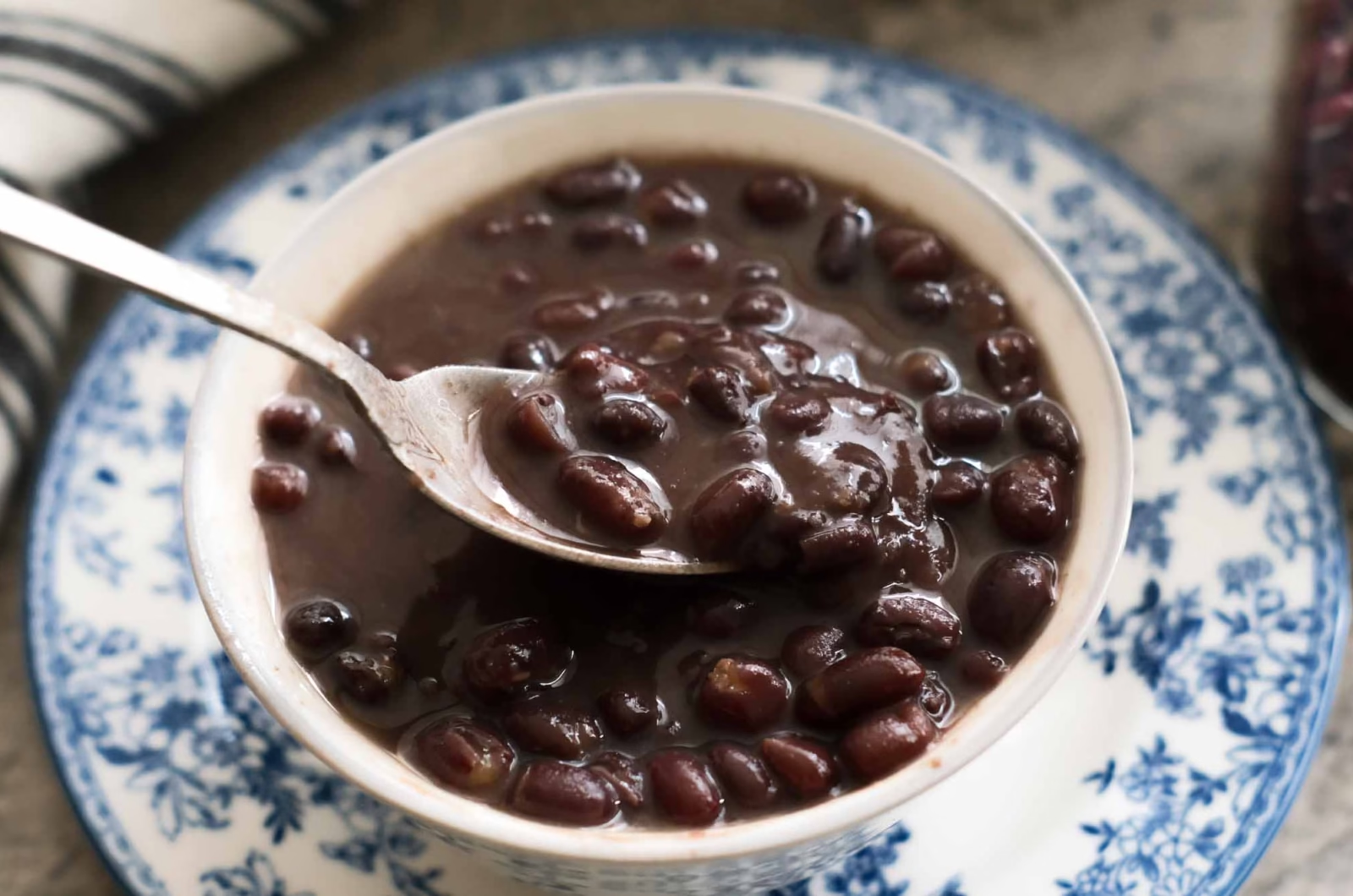
Sweet Red Bean Soup
Authentic Southeast Asian red bean soup with coconut milk, infused with pandan leaf, and sweetened with palm sugar.
8
servings40
minutes280
kcalIngredients
2 cups Dried Adzuki beans (400g)
100 g Palm sugar /(Coconut sugar, Brown Sugar)
1/2 cup Coconut cream (or 1 cup fresh coconut milk)
1-2 p Pandan Leaf (tie in a knot)
a pinch of Salt
1 litre Water (+ 1 cup extra to add when it gets too thick while boiling)
- Additional
4 tbsp Sago (tapioca pearl)
Directions
- Soak the beans for at least 4 hours or leave them overnight.
- Strain the beans and transfer them to a pot. Add the water and pandan leaves, bring to a boil over high heat for 40 minutes, or until soft. If adding sago, you can soak and boil it separately while the beans are still cooking.
- Once the beans are soft (you’ll see some cracked), reduce the heat to medium, then add coconut milk, sugar, salt, and cooked sago (If adding).
- Stir constantly with a ladle for 5 minutes and turn off the heat. Remove the pandan leaf.
- Enjoy them warm or cold, up to you. If you add sago, it is at its best texture when warm.
Equipment
- 3L Stainless Steel Pot, ZwillingCheck on Amazon
- MUJI Stainless Steel LadleCheck on Amazon
🥣 Did you try this recipe? Let me know how it goes in the comments below.