

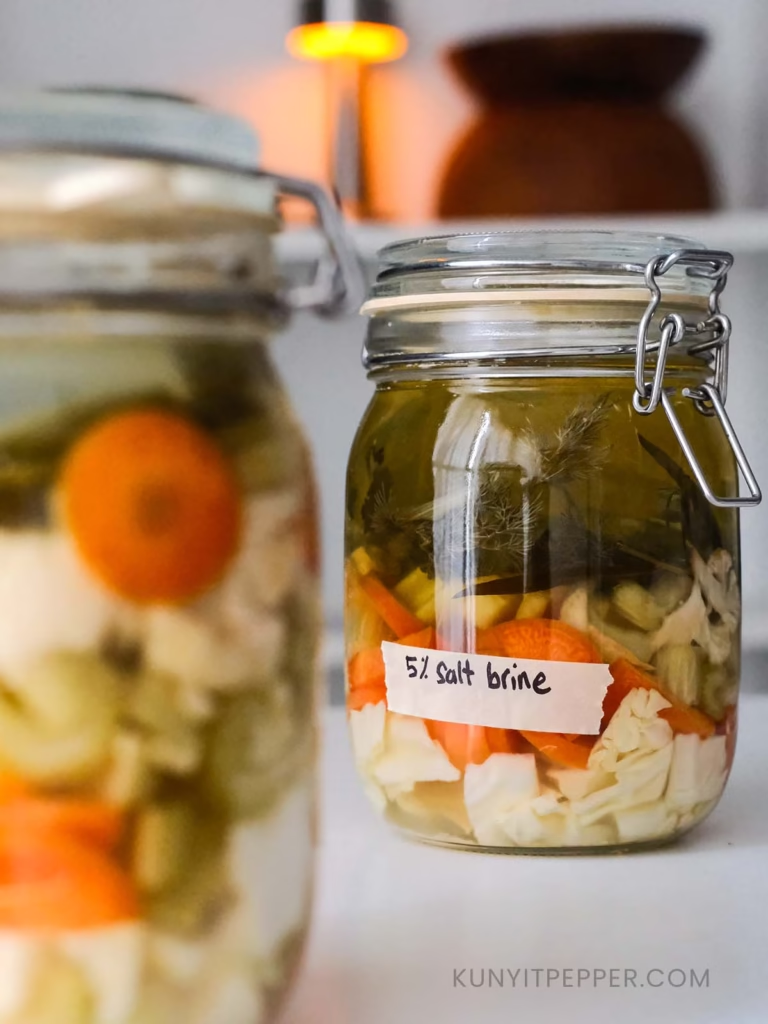
About This Pickled Mixed Vegetables
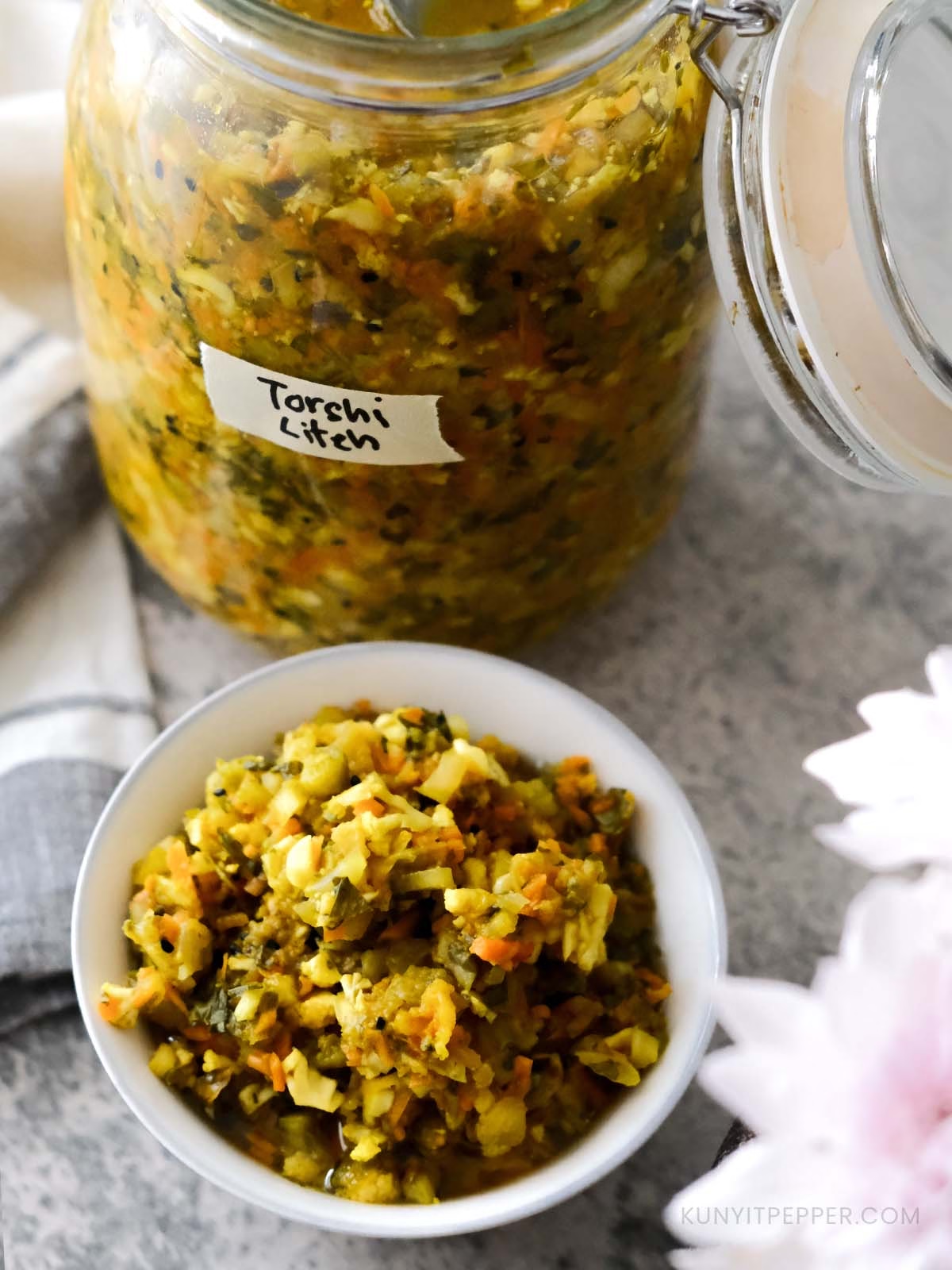
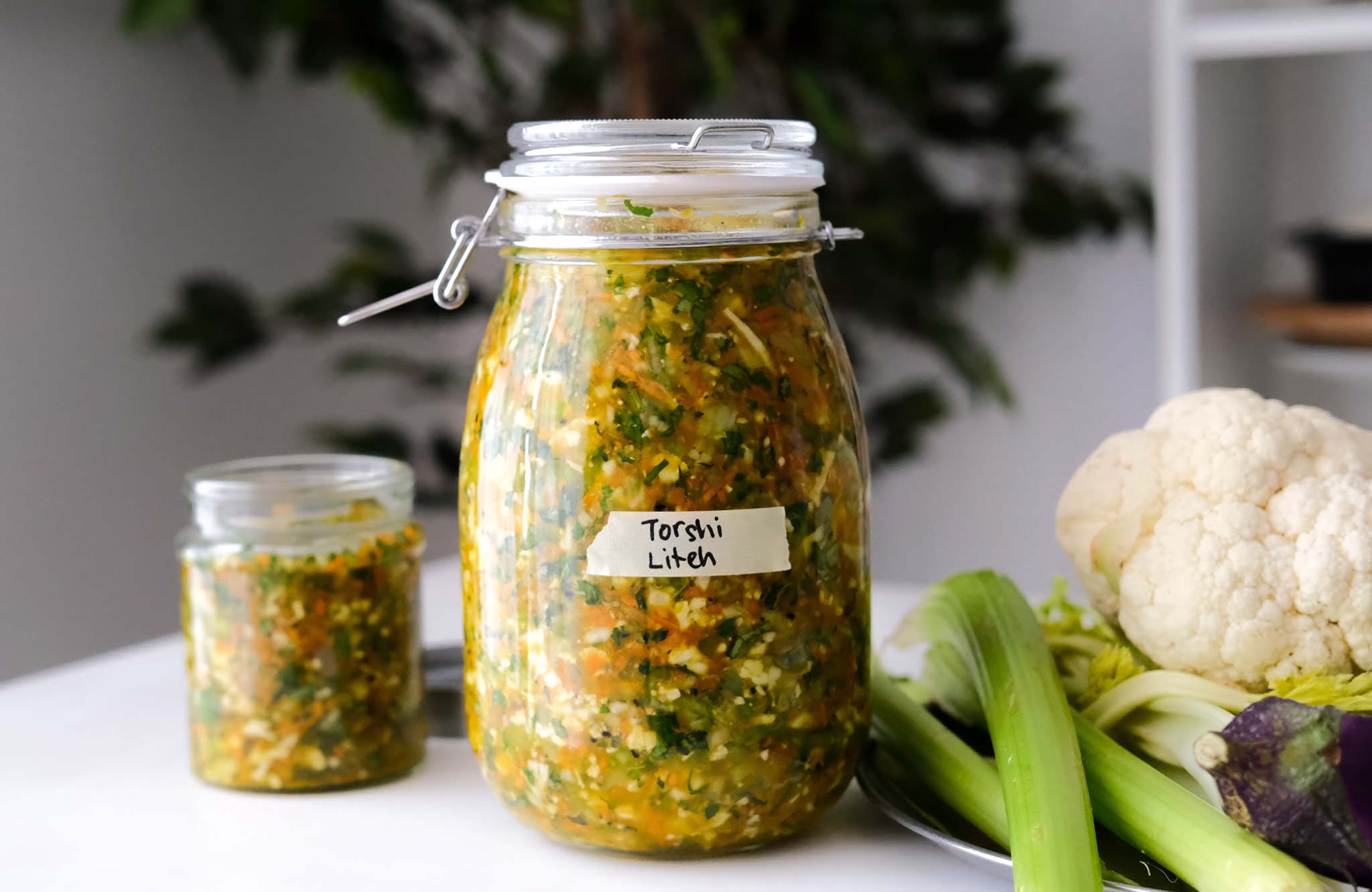
This pickled mixed vegetables recipe is a popular side dish in Iran, loved across the Middle East and the Balkans. It’s known as Torshi Shoor in Farsi, torshi means “sour” (referring to pickles as a category), and shoor means “salty.” Compared to other Persian pickles like this chopped pickled vegetables (Torshi Liteh), this version is much less sour, but more on the saltier side.
The crunch and saltiness, with a hint of fresh herbs, make this pickle so refreshing. During my stay with my in-laws in Iran, this homemade torshi was served next to almost everything, like stews, kebabs, sandwiches, and rice dishes. From restaurants to home kitchens, torshi shoor is simply part of the meal.
Table of Contents
- About This Pickled Mixed Vegetables
- Storebought Pickle vs Torshi Shoor
- What is Lacto-Fermentation?
- Why You’ll Like Mixed Vegetables Pickle
- Ingredients to Make Mixed Vegetables Pickle (Torshi Shoor)
- How to Make Pickled Mixed Vegetables in Any Jar Size
- Tips for Successful Lacto-Fermented Pickled Mixed Vegetables
- Signs of Active Fermentation
- Signs that you should throw out your pickle
- Related Recipes
Storebought Pickle vs Torshi Shoor
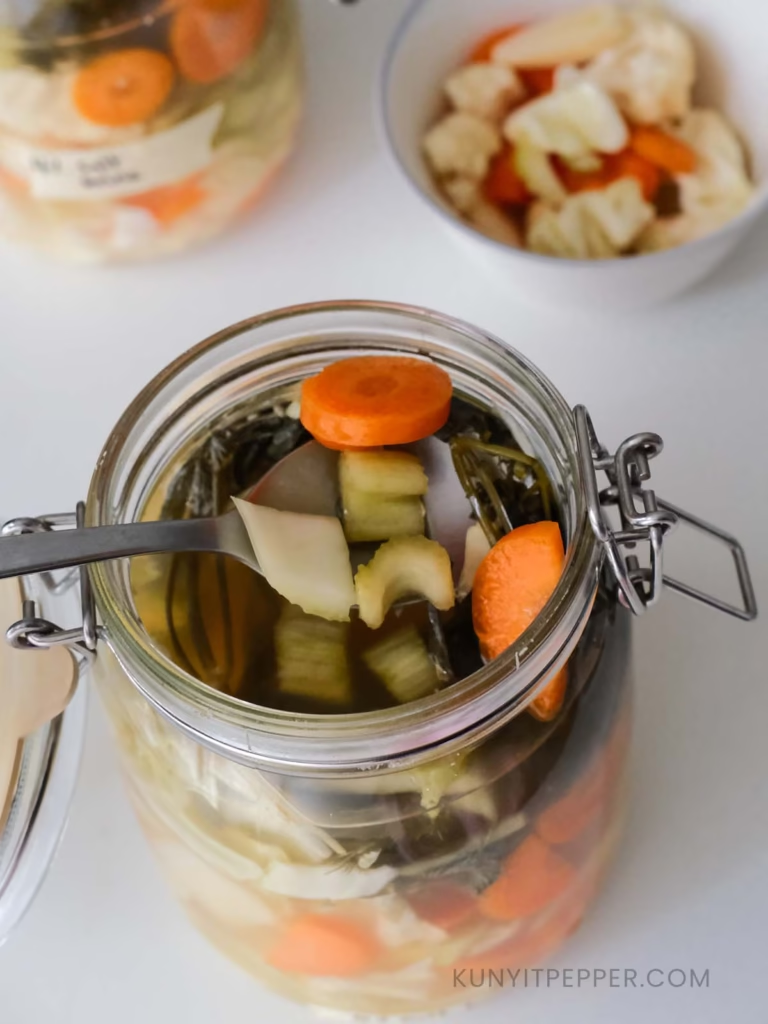
Most store-bought versions use vinegar for shelf stability and are likely pasteurized, so there are no active probiotics. Since this pickle recipe is lacto-fermented, it comes with beneficial probiotics while keeping that same salty, tangy flavor. Homemade means I get pickles that are actually gut-friendly, not just shelf-stable.
I’ve started using it as a healthier swap for table salt in some of my dishes, and whenever I make Persian food, I reduce the salt elsewhere so I can enjoy this pickle without overdoing it. Plus, I love that it stays crunchy in the fridge even after months.
What is Lacto-Fermentation?
Lacto-fermentation is a natural food preservation process that relies on salt, water, and the absence of oxygen. During fermentation, beneficial bacteria (Lactobacillus) eat the natural sugars in the vegetables and convert them into lactic acid.
This lactic acid gives the pickle its tanginess while preserving the vegetables. Meanwhile, the salt helps prevent the growth of harmful bacteria during fermentation.
Why You’ll Like Mixed Vegetables Pickle
Unlike the store-bought pickles that are pasteurized at high heat and are too acidic for beneficial bacteria to survive, this recipe
- Packed with crunchy vegetables rich in antioxidants
- Is alive! It contains Lactobacillus probiotics that support gut health
- Naturally flavorful from the mixed veggies and herbs
- Easy to make. Once you learn the process, it’s so easy to remake anytime
- Keep in the fridge for up to 6 months
- Quick vegetable side dish
- Healthier alternative to table salt or processed condiments
Ingredients to Make Mixed Vegetables Pickle (Torshi Shoor)
Vegetables
- Celery
- Cauliflower
- Cabbage
- Carrot
- Garlic
- Chili (optional)
- Cucumber (optional)
Herbs
- Parsley
- Mint
- Dill
Salt
- Non-iodized natural salt
How to Make Pickled Mixed Vegetables in Any Jar Size
- Fill the jar with the cut vegetables, leaving some room at the top to stuff in the fresh herbs.
- Measure the water.
Before turning on your scale, place the jar filled with vegetables on top of it. Turn the scale on, then pour cooled boiled water into the jar until full.
The scale now shows the weight of your water, record it or take a photo so you don’t forget. - Calculate the salt needed.
This brine uses a 4% salt ratio. It’s enough to keep the vegetables safely fermented and edible. Use this formula
(grams of water) × 0.04 = grams of salt needed
Example: 1000g water × 0.04 = 40g salt - Weigh the salt.
Once you know the amount needed, remove the jar from the scale and place a small bowl on it instead. Zero out the scale (or simply turn it back on), then weigh out the salt. - Mix the salt into the jar. Pour the salt into the jar, seal it, then shake or flip it a few times until the salt fully dissolves.
Tips for Successful Lacto-Fermented Pickled Mixed Vegetables
- Use a clean jar. So do not skip sterilizing it.
- Wash and dry the vegetables. wash everything thoroughly and let it dry completely before you start.
- Use fresh vegetables, avoid ones that have been sitting in the fridge for a few days.
- Leave just a little headspace. Whichever jar size you use, and make sure to leave 1 inch of space from the rim of the jar.
- Ferment at room temperature. Avoid placing it somewhere too warm or in direct sunlight.
- Keep the vegetables fully submerged. Anything floating on the surface can create mold. Use a fermentation weight, a small water-filled Ziploc bag, or a piece of outer cabbage as a stopper, then top with a small bowl to hold everything down.
Signs of Active Fermentation
- Bubbles. Small gas bubbles rising or trapped between the vegetables.
- Cloudy brine. The clear liquid turns cloudy from active lactic acid bacteria, then clears again after a few days once the Lactobacillus settles.
- Hissing when you burp the jar. A small release of gas when you open or loosen the lid, a normal part of releasing built-up pressure during fermentation.
Signs that you should throw out your pickle
- Moldy: If you see a hairy mold or pink mold on the surface, throw it out.
- Slimy brine: Unless you add sweet starch (beetroot, pumpkin etc) the brine should not be slimy.
- Smells rotting: Successful fermentation will have a mild sour smell, not rotting.
Related Recipes
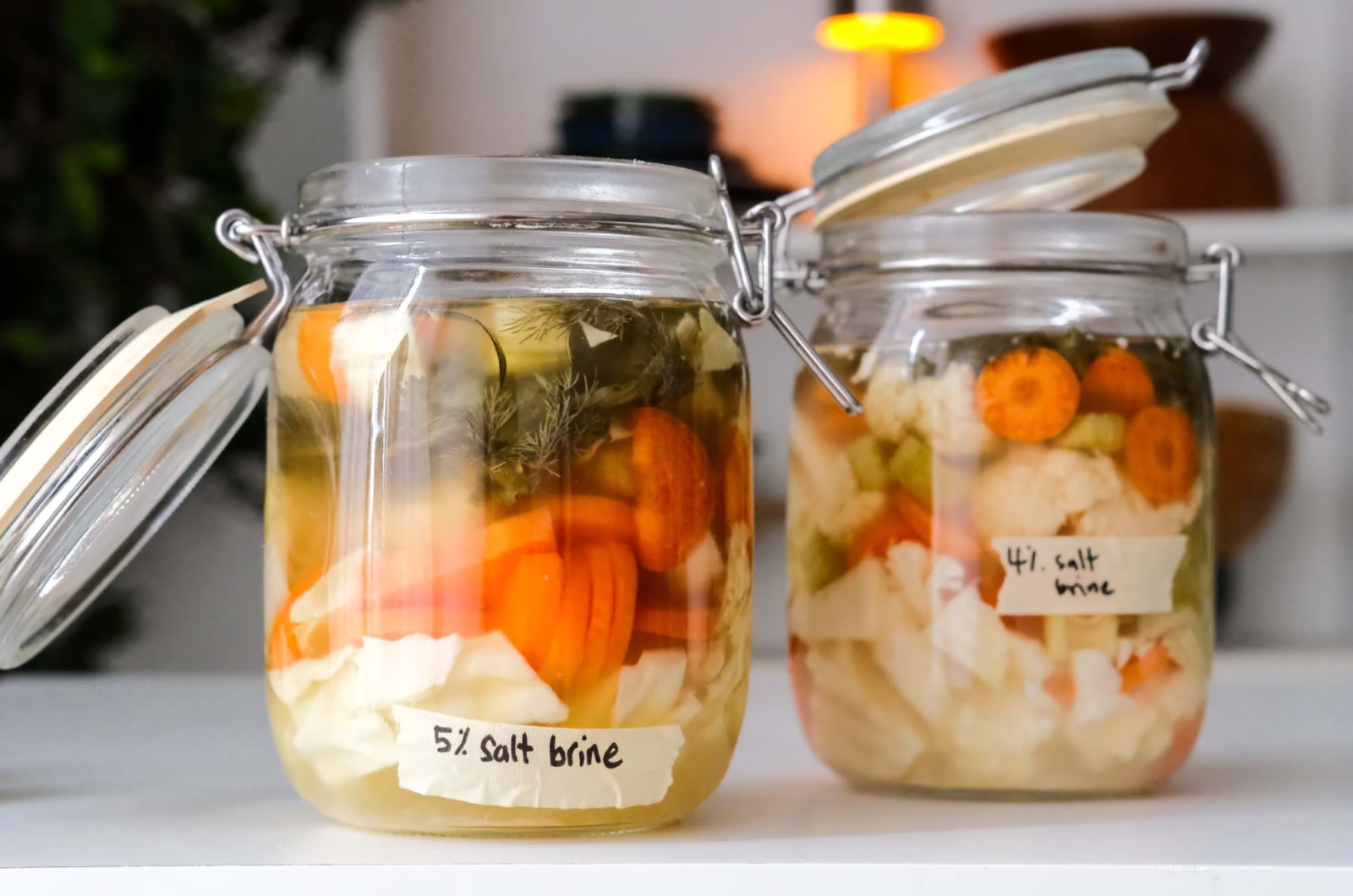
Middle Eastern Pickled Mixed Vegetables (Torshi Shoor) – 4% salt brine
This crunchy, salt-brined pickled mixed vegetables is known as Torshi Shoor in Iran. It’s a simple, gut-friendly way to preserve fresh veggies. This recipe below makes 2 liters, but you can scale it to any jar size using the brine guide above.
15
minutes7
Days2L
JarsIngredients
- Vegetables
3-5 stalk Celery
1 Carrot
1/4 Cauliflower
1/4 Cabbage
7 Garlic
Green chili (optional)
Cucumber (optional)
- Fresh Herbs (keep the stems)
10 g Dill
10 g Parsley
4-6 sprigs Tarragon
- Salt Brine
1.5 L Water that’s been boiled and cooled
60 g Salt
Directions
- Wash the vegetables and herbs, then pat dry, or consider air-drying under a fan for at least 1 hour.
- Meanwhile, sterilize the jar. Bring a large pot of water to a boil, then submerge the clean jar in the boiling water for 10 minutes.
- Cut the vegetables into chunks. Halve the garlic cloves.
- Fill the jar (or jars) with the cut vegetables, leaving some room at the top to stuff in the fresh herbs.
- In a separate jar or bowl, combine the salt and cooled boiled water, and stir until the salt is fully dissolved.
- Pour the salt brine into the jar (or jars) until full.
- Add a fermentation weight or a small bowl to keep the vegetables submerged. Make sure nothing floats above the brine, vegetables exposed to oxygen can create mold.
- If you’re using an airtight glass jar with a rubber gasket like mine, consider burping it every 3 days to release the gas from active fermentation and prevent pressure buildup.
Equipment
- 1 Liter Glass JarCheck on Amazon
- Digital ScaleCheck on Amazon
- Fermentation WeightCheck on Amazon



%20-%204%%20salt%20brine)