
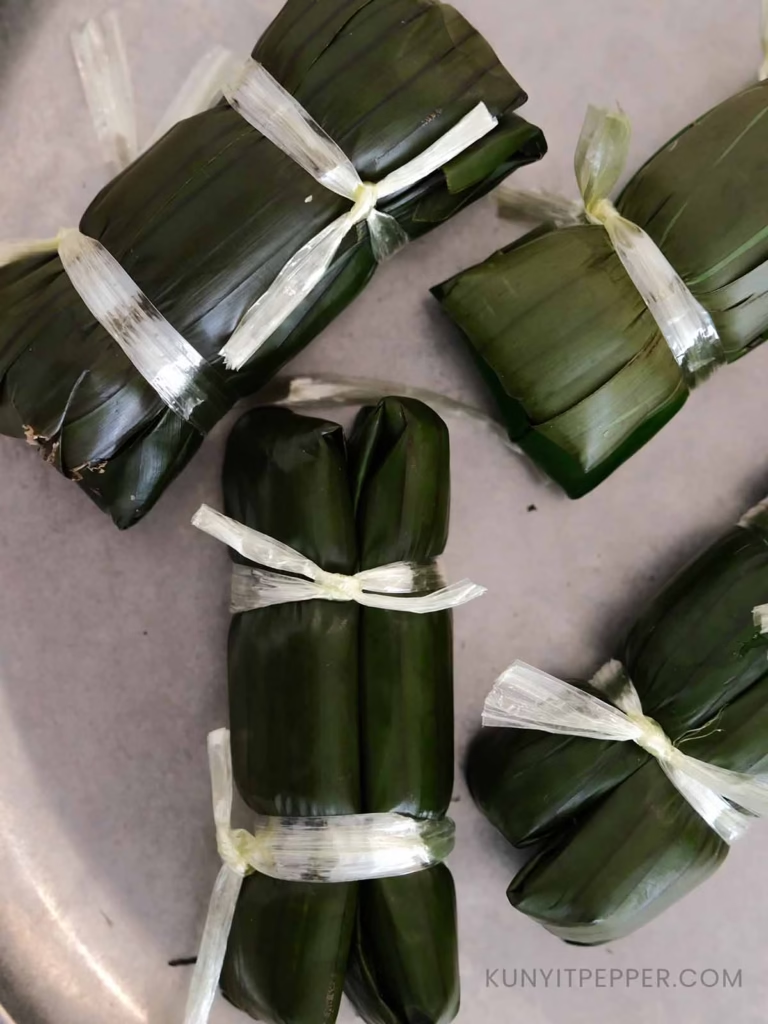
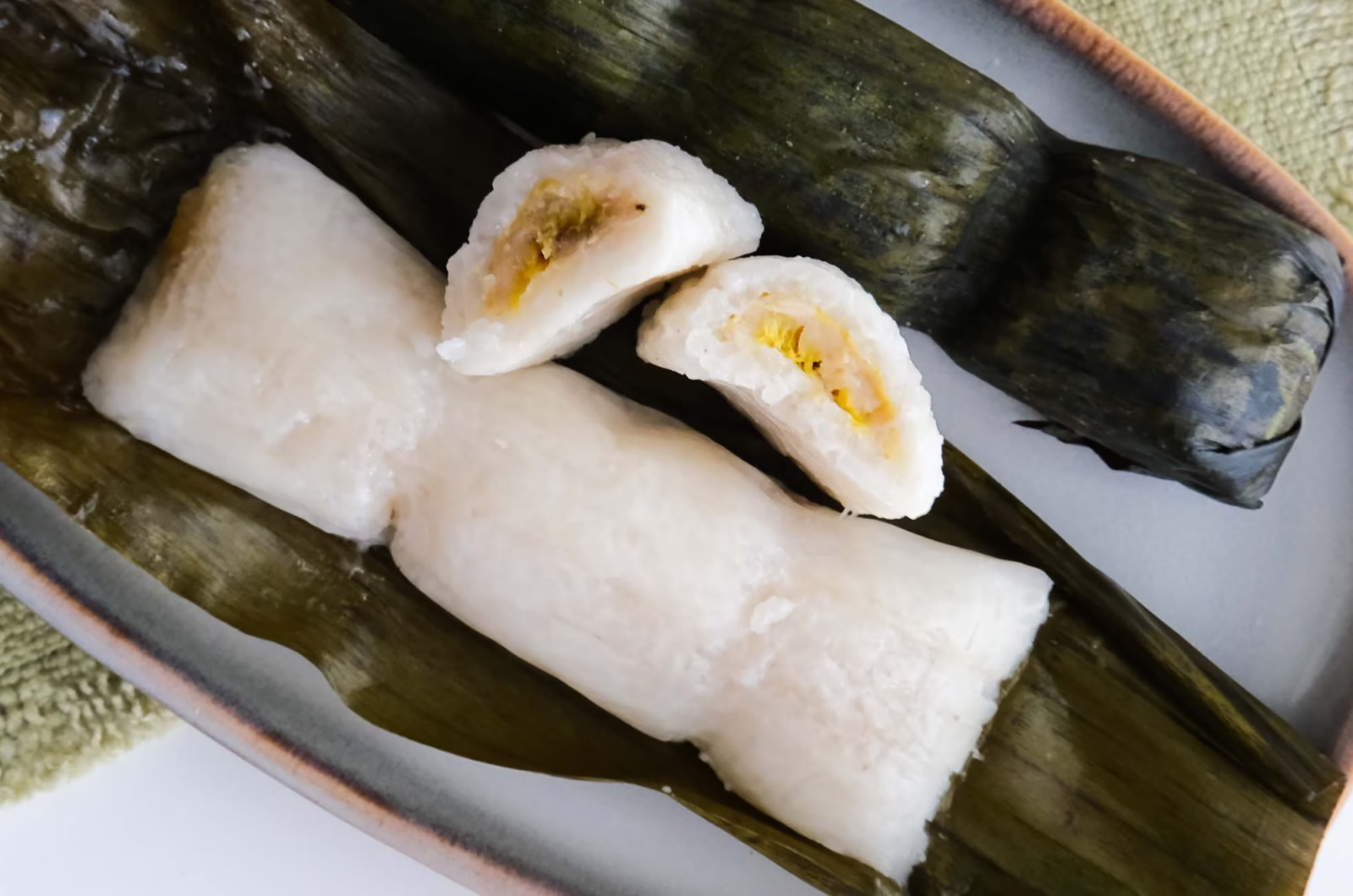
In Thailand, this banana sticky rice wrapped in banana leaves is known as Khao Tom Mat. Growing up with my grandmother in northern Malaysia, where the Thai border is just an hour away, we shared many traditional sweets across the region, including this banana sticky rice.
In Malaysia, it’s called Pulut Dakap, which means “cuddling sticky rice,” referring to how the rice is tightly packed and tied together.
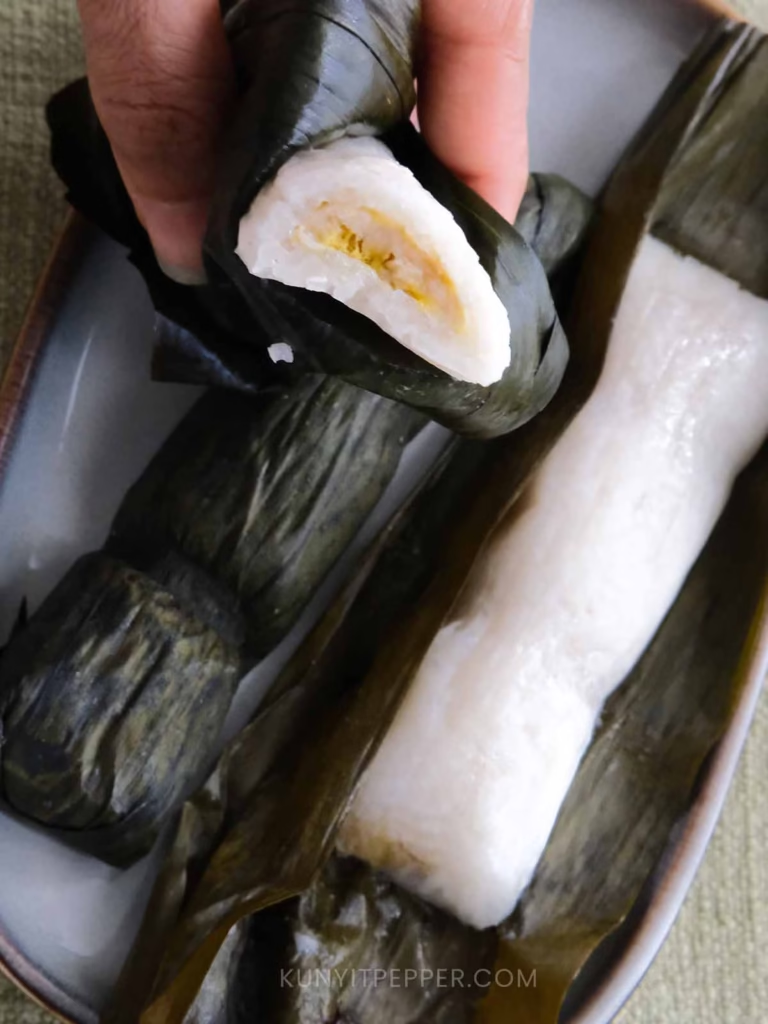
Table of Contents
- Why I Like Banana Sticky Rice
- Ingredients Needed
- Tools and Equipment Needed
- How to Make Banana Sticky Rice
- Wrapping Banana Sticky Rice with Banana Leaf
- Prepping Banana Leaf for Wrapping
- Tips:
- FAQs
- Other Authentic Southeast Asian Dessert Recipes with Sticky Rice
Though I remember seeing this sweet sticky rice at food stalls in wet markets during breakfast hours, they’re also commonly found in restaurants and street stalls in the afternoon.
My grandmother likes to make this banana sticky rice to enjoy as a tea-time snack. Since it took some time to make, she would start the process right after lunchtime, just so it would reach the table at the right time when my grandfather got home.
Why I Like Banana Sticky Rice
Flavour – The creamy sticky rice infused with pandan leaf, with sweet banana as a filling, is irresistibly delicious. It satisfies and reminds me of my childhood time.
Made with simple and sustainable ingredients – In Southeast Asia, Banana, sticky rice, and coconut milk are simple, everyday ingredients. Banana leaves used as food wraps are not only for flavor infusion but also a sustainable, antibacterial way to wrap food. They also contain polyphenols (antioxidants).
Gluten-free – It’s one of many famous Southeast Asian gluten-free desserts. If you’re like me who after a no-flour dessert or simply cutting down on gluten, then this recipe is one to keep.
No-sugar dessert – With ripe banana, you won’t need sugar to enjoy a sweet treat!
Ingredients Needed
- Thai Sticky Rice – It’s also known as glutinous rice.
- Coconut Milk – I like using freshly extracted coconut milk from grated coconut, just like my grandmother did. You can also use unsweetened coconut cream if that’s what you have.
- Salt – used to lift up the flavor of coconut milk.
- Banana – If you’re in Malaysia, pisang berangan is best used. But most importantly, choose the sweet variation.
- Pandan leaf – Used to give the sticky rice an aromatic flavor. If you like it to be authentic, do not skip pandan, as it’s the essence of Southeast Asian traditional dessert flavor.
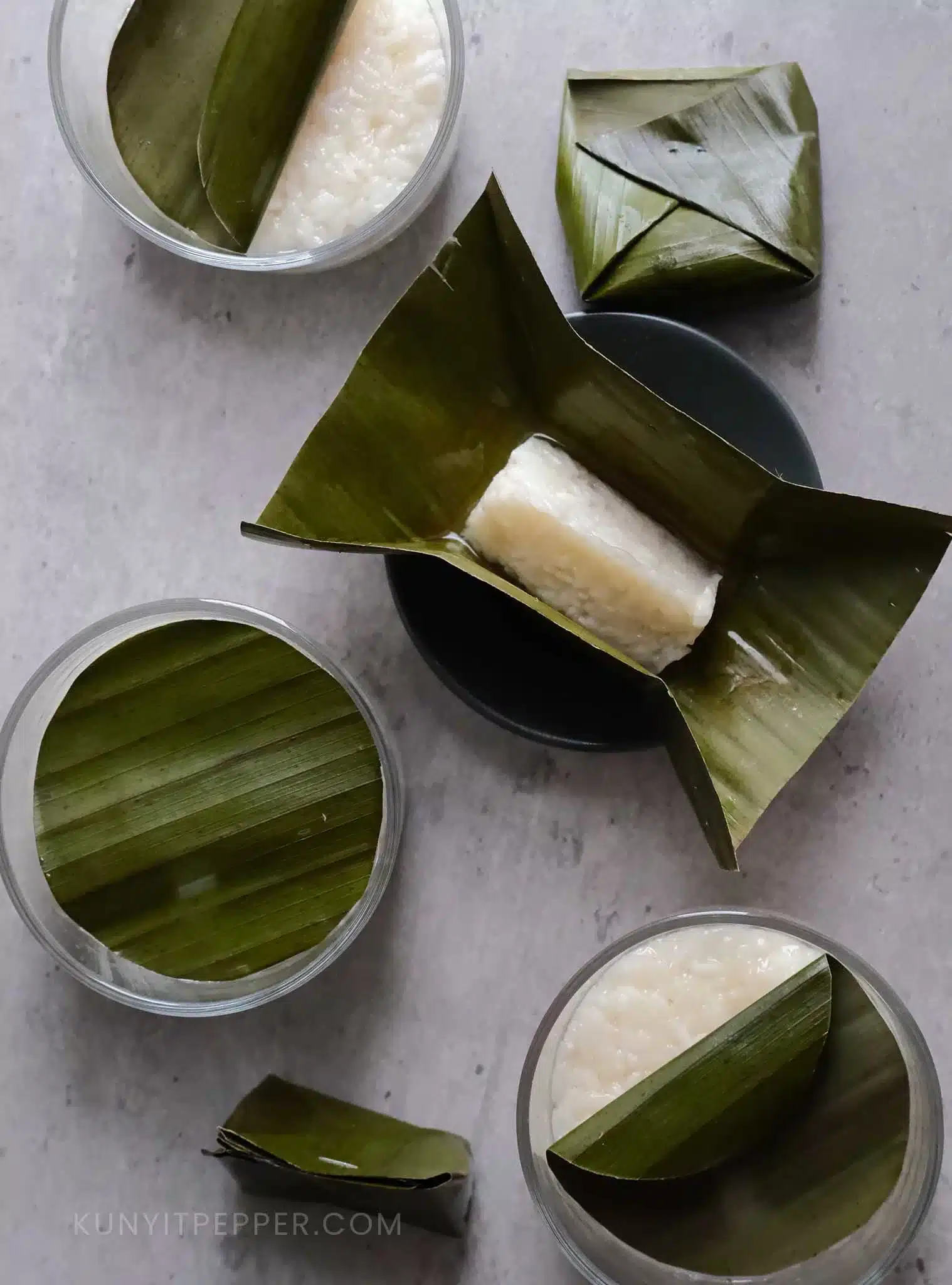
- Banana leaves are used to wrap sticky rice into a compact shape. Some prefer the aroma that the banana leaves give to the sticky rice.
- Sugar (Optional) – I don’t feel the need for sugar since the banana is already sweet. But some households add just a tablespoon or 2 depending on preferences.
Additional ingredients: Beans (Optional) – Some households prefer to add black beans or black-eyed peas, it’s really a personal preference. Use the canned version to skip soaking and cooking, or boil it until soft from scratch and add it only once the rice is pre-cooked.
Tools and Equipment Needed
- Steamer – I use a standard 2-tier steamer.
- Kitchen String – I use the everyday polyester string. A cotton kitchen string is a good choice too. Do not use a rubber band, as it can alter the flavor.
- Medium-sized Pot – Preferably non-stick or good-quality stainless steel, since the rice tends to stick to the surface when cooking.
How to Make Banana Sticky Rice
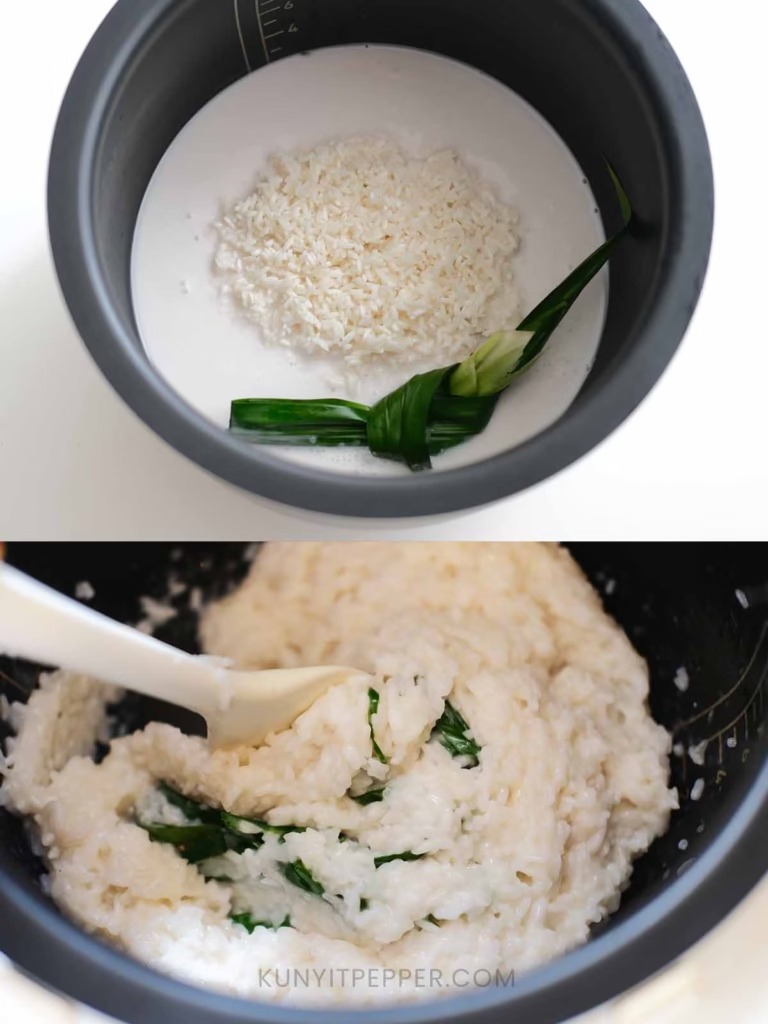
- Wash the rice until the water runs clear and soak it for at least 3 hours. You can also leave it soak overnight.
- Combine the sticky rice, coconut milk, and pandan leaf (tie in a knot) into a non-stick pot over a medium heat, cook the sticky rice just until the water dries while continuously stirring. I use my rice cooker. I let it cook for 10 minutes over the normal white rice setting, then I continuously stir (while it is still cooking) until the water dries, then I turn it off and remove the pot from the rice cooker.

- Let the rice cool on the kitchen counter or near a fan so it’s easier to handle.
- Meanwhile, prepare the banana leaves. Scroll below to see step-by-step instructions on how to prepare banana leaves for making banana sticky rice.
- Scoop the rice to the bottom part of the banana leaves, spread it thinly, and place 1/2 of a banana on top, then wrap it neatly, like making a sushi roll. Repeat until finished. For detailed step-by-step instructions, see below.
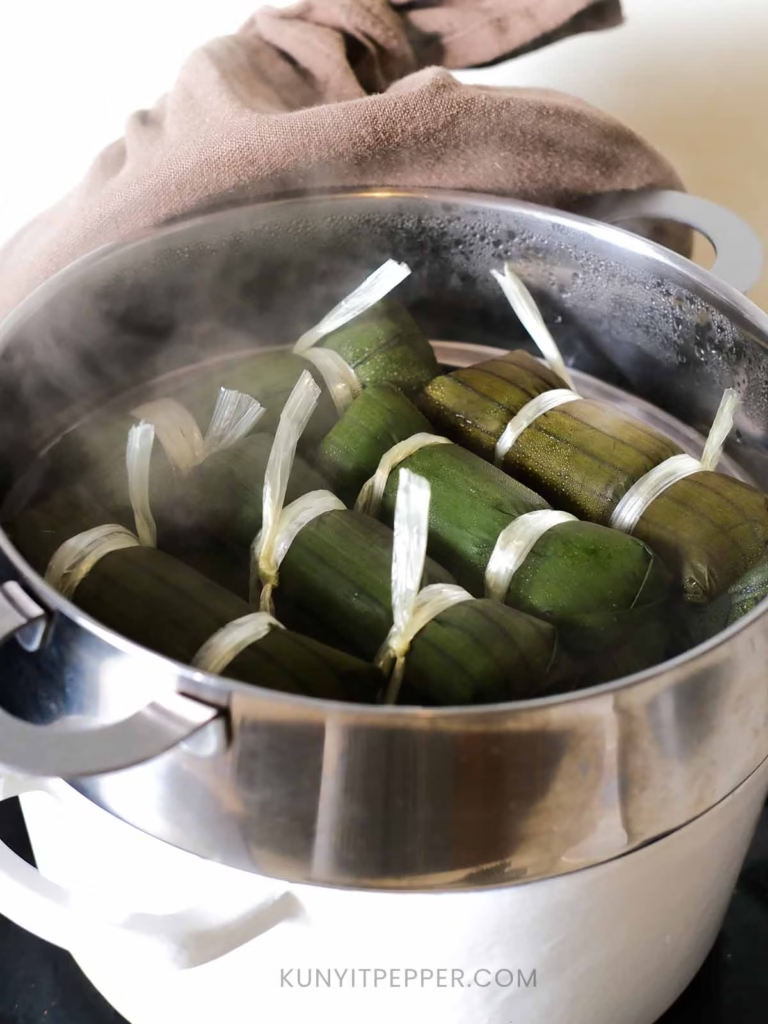
- Using a kitchen string, tie two rolled banana sticky rice parcels together, with the folded parts facing each other. It’s said to help enhance the aroma, but more importantly, it keeps the rice tightly packed and helps to stay in the packet.
- Steam it for 45 minutes over high heat. I use a standard 2-tier steamer with a lid covered with a clean cloth to prevent water vapor from dripping.
Wrapping Banana Sticky Rice with Banana Leaf
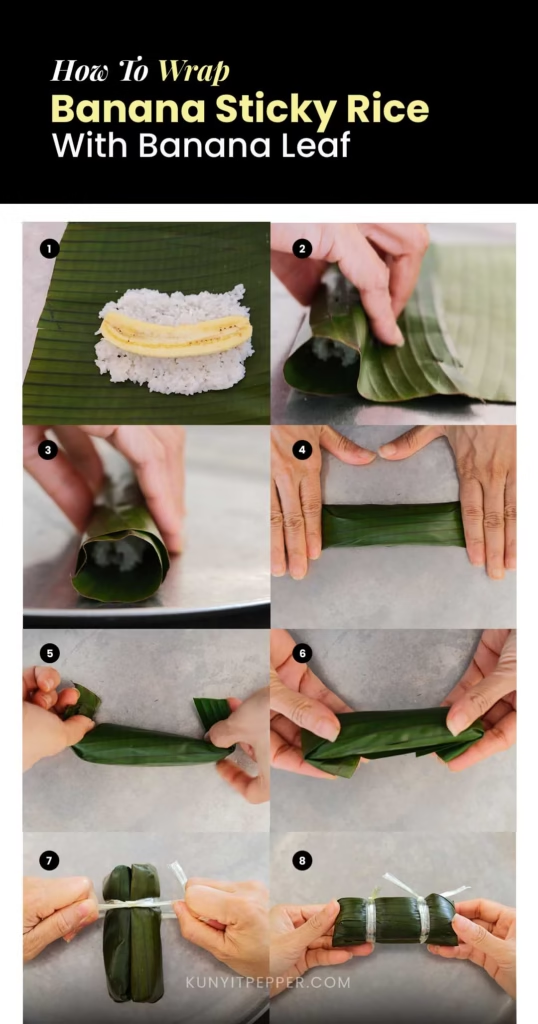
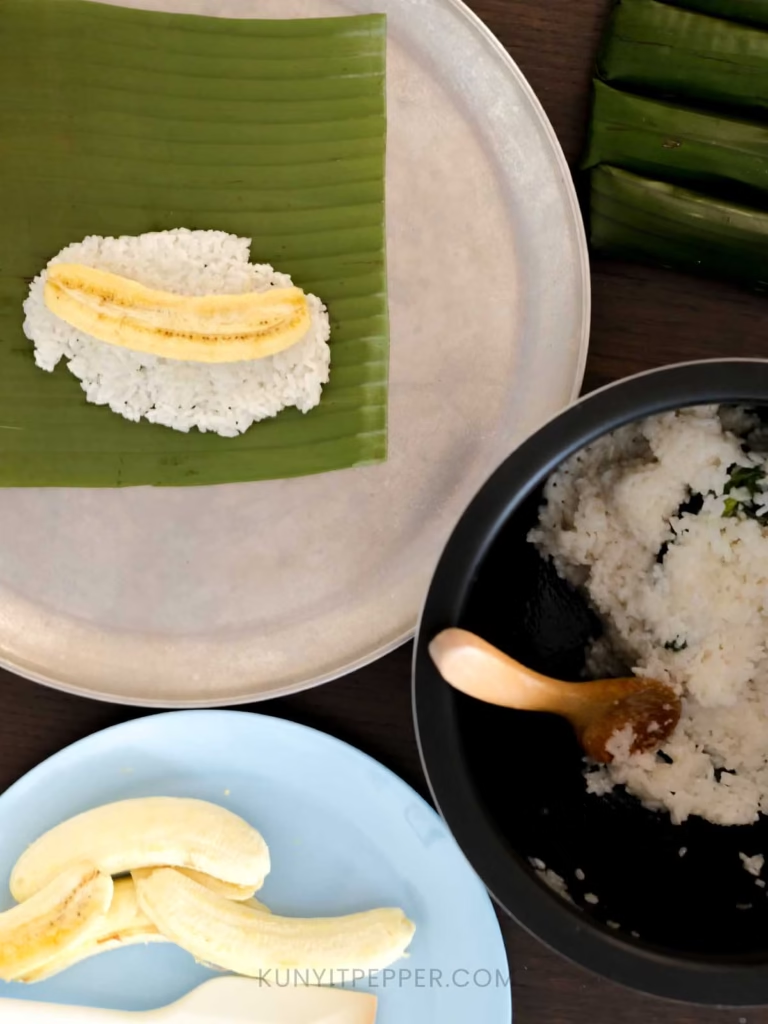
- Scoop 1 heaping tablespoon of sticky rice onto the bottom part of a banana leaf. Spread the rice thinly, just like making a sushi roll. Add ½ a banana on top.
- Roll the banana leaf while adjusting the rice neatly as you go.
- Continue rolling until the end.
- Gently press the sides so the sticky rice fills toward the center, leaving about three fingers’ width on each side. This helps make space to fold the banana leaf neatly and securely.
- Fold both sides of the roll underneath.
- Set the roll aside and repeat with the rest.
- Once you’ve finished all the sticky rice and bananas, combine two packets with the folded sides facing each other. Press them together and tie with a kitchen string. Do not tie too tightly, as the sticky rice and banana will expand while cooking.
- Tie both the top and bottom to secure the folds so they don’t open while cooking.
Prepping Banana Leaf for Wrapping
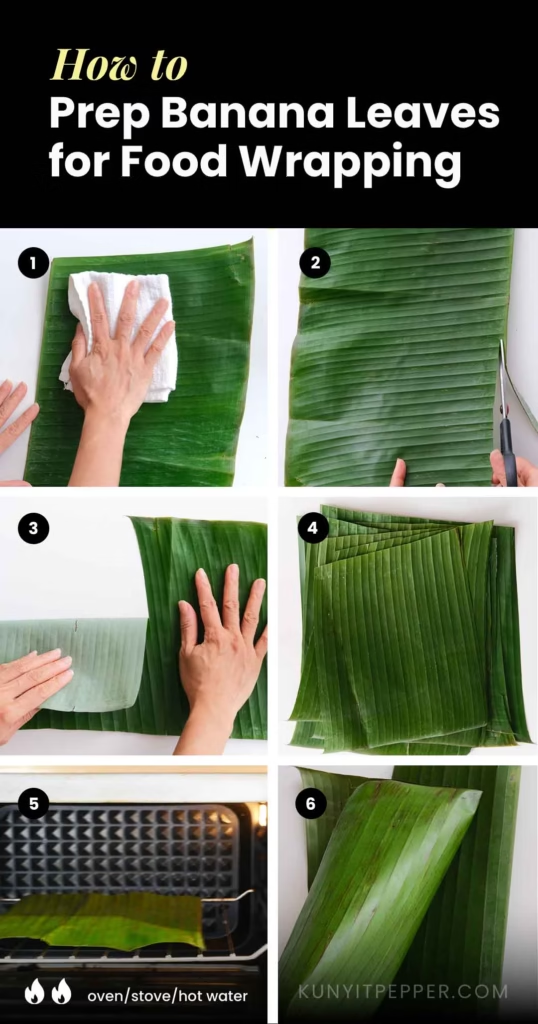
1- Wipe the banana leaves with a damp cloth (not soaking wet).
2- Carefully cut along the spine of the banana leaf with scissors, without tearing the leaf.
3- Tear the banana leaves into individual pieces.
4- For this banana sticky rice, about 70% size of an A4 paper (lengthwise). For the width, leave roughly six fingers’ width + the length of the banana. This will ensure it is secured neatly.
5- Pass the banana leaves over high heat (through one of the three methods below) for 5–10 seconds, just until the leaves soften and turn glossy.
i) Open flame on the stove
ii) Preheated oven (250 °C)
iii) Dip them in hot water
Use tongs to hold them. Repeat with all the leaves. The leaves will be less likely to tear while handling, making it easier to fold. Do not skip this part.
6- You can use it to wrap.
Tips:
- Use ripe banana – Just the right yellow, not overripe and bruised, so it’s still in shape and naturally sweet.
- Do not tie the packet too tightly, since the sticky rice is not fully cooked, it will expand while steaming
- When tying the packets, make sure to secure the folded part. The banana leaf can fold open while steaming if not secured.
FAQs
How long can banana sticky rice stay in the fridge?
They can stay in the fridge for 4 days. Keep them covered in a ziplock bag or container to prevent drying out and keep them fresh.
Can I freeze banana sticky rice?
Yes, you can, it’s freezer-friendly. They can stay in the freezer for months!
Should I reheat the banana sticky rice?
Because sticky rice is cooked with fat (coconut milk), it tends to harden in cold temperatures. Reheating the banana refreshes the sticky rice, making it smooth.
How to reheat banana sticky rice?
You can reheat banana sticky rice in a steamer and microwave. Defrost them first if they’re frozen.
If using a steamer, bring water to a boil, and steam for 5 minutes.
If using a microwave, boil 1 cup of water in the microwave using auto-reheat. Once boiled, transfer the cup into a plate with banana sticky rice and continue auto-reheat for 5 minutes (depending on the amount).
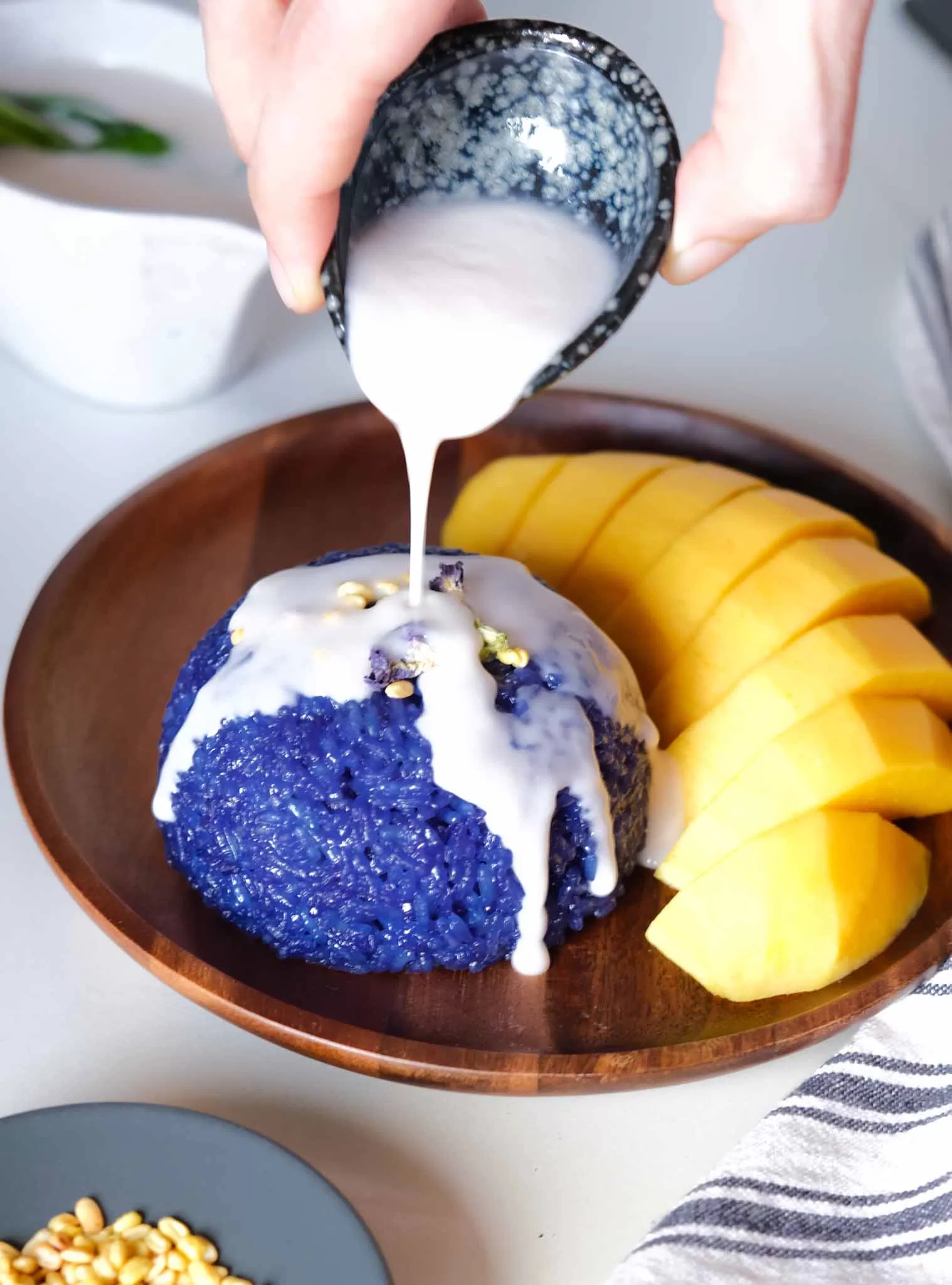
Other Authentic Southeast Asian Dessert Recipes with Sticky Rice
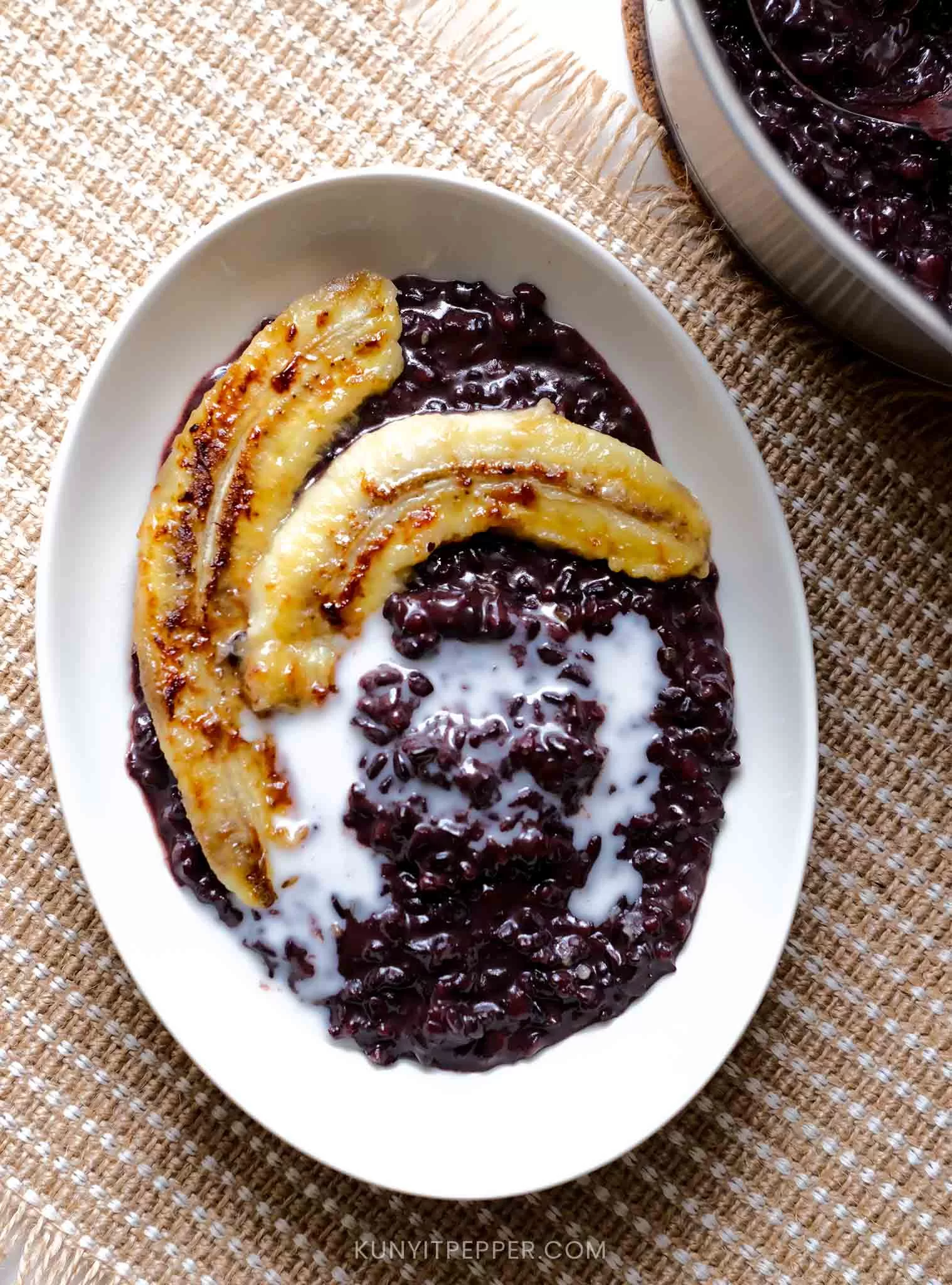
Banana Sticky Rice in Banana Leaf
Learn how to make an authentic steamed banana sticky rice recipe. It’s creamy and mildly fragrant with pandan and banana leaf, perfect for an evening snack.
18
pieces30
minutes45
minutes300
kcalIngredients
1 cups Thai sticky rice/glutinous rice
9 Banana (halve)
2 cups Coconut milk (if using coconut cream, replace 1/2 a cup with water)
1/4 tsp Salt
1 tbsp Sugar (optional)
1 Pandan leaf (tie in a knot)
Banana leaves (about 150-200g)
Directions
- Wash the glutinous rice until the water runs clear and soak it for at least 3 hours. You can also leave it to soak overnight.
- Combine the sticky rice, coconut milk, and pandan leaf (tie in a knot) into a non-stick pot over a medium heat, and cook the sticky rice just until the water dries while continuously stirring. I use my rice cooker. I let it cook for 10 minutes in the normal white rice setting, then I continuously stir (while it is still cooking) until the water is absorbed. I turn the rice cooker off and remove the pot.
- Let the rice cool on the kitchen counter or near a fan so it’s easier to handle.
- Meanwhile, prepare the banana leaves. Scroll above to see step-by-step instructions on how to prepare banana leaves for making banana sticky rice.
- Scoop the rice onto the centre of the banana leaves, spread it thinly, and add 1/2 of a banana, then wrap it neatly, like making a sushi roll. Repeat until finished. For detailed step-by-step instructions, see the above guide.
- Using a kitchen string, tie two rolled banana sticky rice parcels together, with the folded parts facing each other. It’s said to help enhance the aroma, but more importantly, it keeps the rice tightly packed and helps it to stay in the packet.
- Steam it for 45 minutes over high heat. I use a standard 2-tier steamer with a lid covered with a clean cloth to prevent water vapor from dripping.
Tools & Equipment Used
- 2-Tier SteamerCheck on Amazon
- Polyester Kitchen StringCheck on Amazon